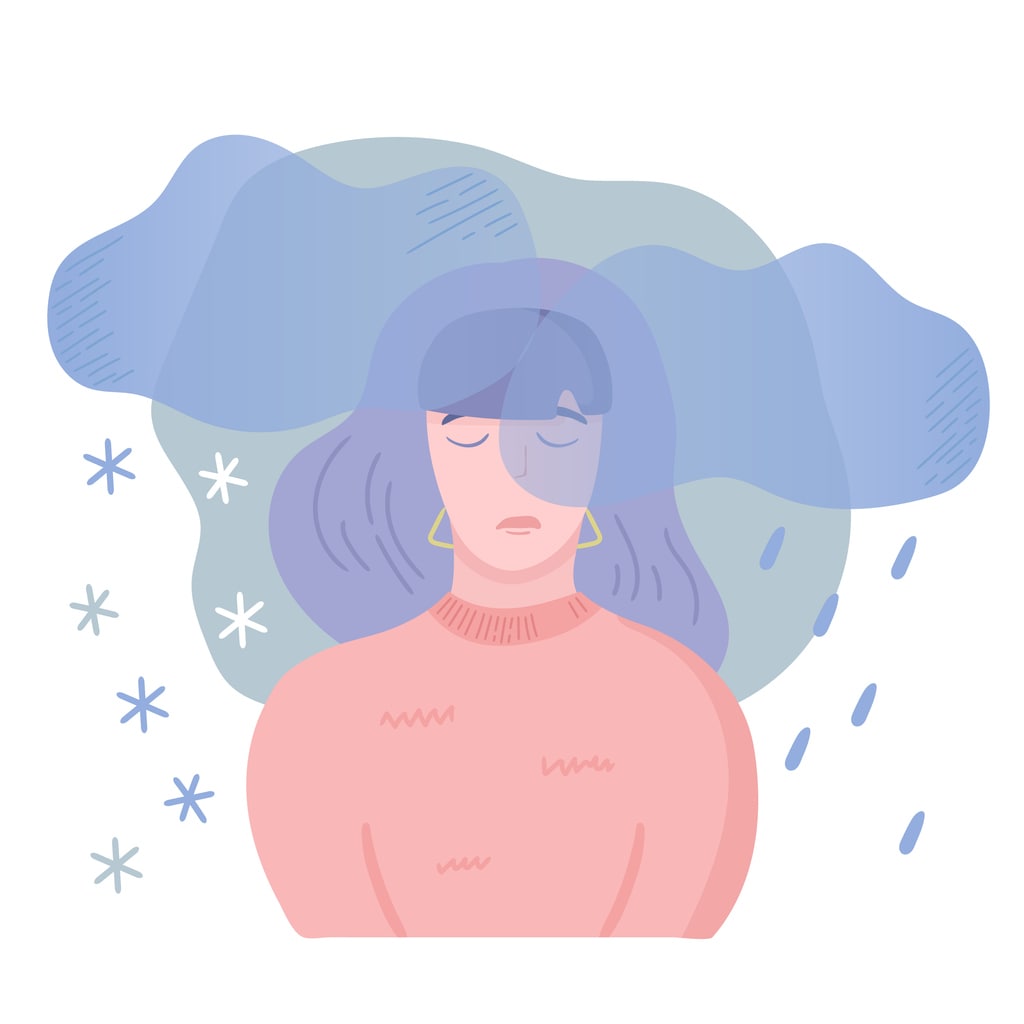
When the excitement of the holidays is over and the cold, dark winter days have set in, have you noticed your mood tanking?
If so, you’re not alone.
Many people feel blue during the colder months because of seasonal affective disorder (SAD), or seasonal depression.
What is seasonal depression?
Seasonal depression is a form of depression that occurs when the seasons change — typically beginning in the fall and worsening during the winter.
Seasonal depression does not have a single proven cause, but researchers theorize that a lack of sunlight and increased melatonin contribute to the condition.
Reduced sunlight can disrupt the body’s circadian rhythm, which regulates mood-related chemicals such as serotonin. This disruption can increase the risk of depression. During winter, shorter days and limited time outdoors make sunlight deprivation more common.
Another contributing factor is melatonin, the hormone that regulates sleep and increases in darkness. With shorter and dimmer days, melatonin levels rise, which can lead to increased fatigue and disrupted sleep patterns.
Why winter makes us moody
Seasonal depression leads to many symptoms that negatively affect mental health, including increased anxiety, lower self-esteem, loss of motivation, difficulty staying awake and extreme mood changes.
Another symptom commonly associated with seasonal depression is a craving for carbohydrates. Carbohydrates increase serotonin, the chemical responsible for regulating mood. When the body craves carb-heavy foods, it may be attempting to boost serotonin levels to improve mood.
All of these symptoms can affect mental health due to their lasting impact on well-being and disruptions to daily routine.
A formal diagnosis of SAD can be made when symptoms occur at the same time each year for at least two consecutive years and easing once the season ends. However, a diagnosis is not required to experience the effects of seasonal depression.
Who’s at risk
Seasonal depression can affect anyone, but certain groups may be more likely to experience seasonal depression. For example, women are four to five times more likely to be diagnosed than men.
Symptoms most commonly begin between ages 20-30, although they can appear earlier. People who live farther from the equator are also more likely to develop seasonal depression due to reduced sunlight exposure.
When SAD collides with school
Many students experience symptoms of SAD — diagnosed or not — during the months of November through February. This timing is especially challenging, as it often coincides with semester finals.
Lack of motivation and difficulty focusing can make it harder for students to keep up with schoolwork, potentially affecting their grades.
Combatting your seasonal depression
Coping with any type of depression or mental disorder is difficult, but there are ways to manage seasonal depression medically and mentally.
Medical treatments such as light therapy and prescribed antidepressants have been shown to help SAD. However, medical treatment may not be the best option for some high school students, especially those with less severe symptoms. If you are a high school student struggling with seasonal depression, there are ways to cope.
Here are a few tips to help boost your mood:
Set a routine. Going to bed and waking up at consistent times can help regulate melatonin levels and boost motivation. Other simple routines such as setting specific study times can help you feel more in control of your emotions during difficult periods. Go to your favorite study spot and grab a coffee for extra motivation.
Surround yourself with people who make you happy. Spending time with people who lift your mood can increase serotonin levels and reduce feelings of isolation. Even though the end of semester workload can be overwhelming, make time for friends – it will help.
Exercise regularly. Physical activity releases endorphins, which positively affect mood. Go on a walk or a bike ride when it’s not too cold, or, for the chillier days, try some indoor workouts.
Fuel your body with good food. Eating nutrient-dense foods such as vegetables, fruits and whole grains support mental health. Foods rich in vitamin D are also essential because most vitamin D comes from the sun. Eggs, milk and fish are all good sources of vitamin D.
Seasonal depression can be challenging, but recognizing the signs is the first step toward managing it. If you begin to notice symptoms, try these strategies, reach out for support and remember you are not alone.
Let us know in the comments what helps you when you’re feeling blue. You never know who it may help.