“Sarah, go back to your island!”
I don’t know how many times I heard that phrase in elementary school…but it was a lot.
From the moment I could talk, I did — unapologetically.
At home, I spoke endlessly in Spanish, concocting stories, songs, games and fantasy worlds. At school, I made sure I was always heard, even through a broken accent.
Although I was loud, I was not necessarily disruptive. I respected my teachers, enjoyed learning and never struggled academically. In fact, I excelled, even as a bilingual child.
But I talked constantly, and not everyone appreciated it.
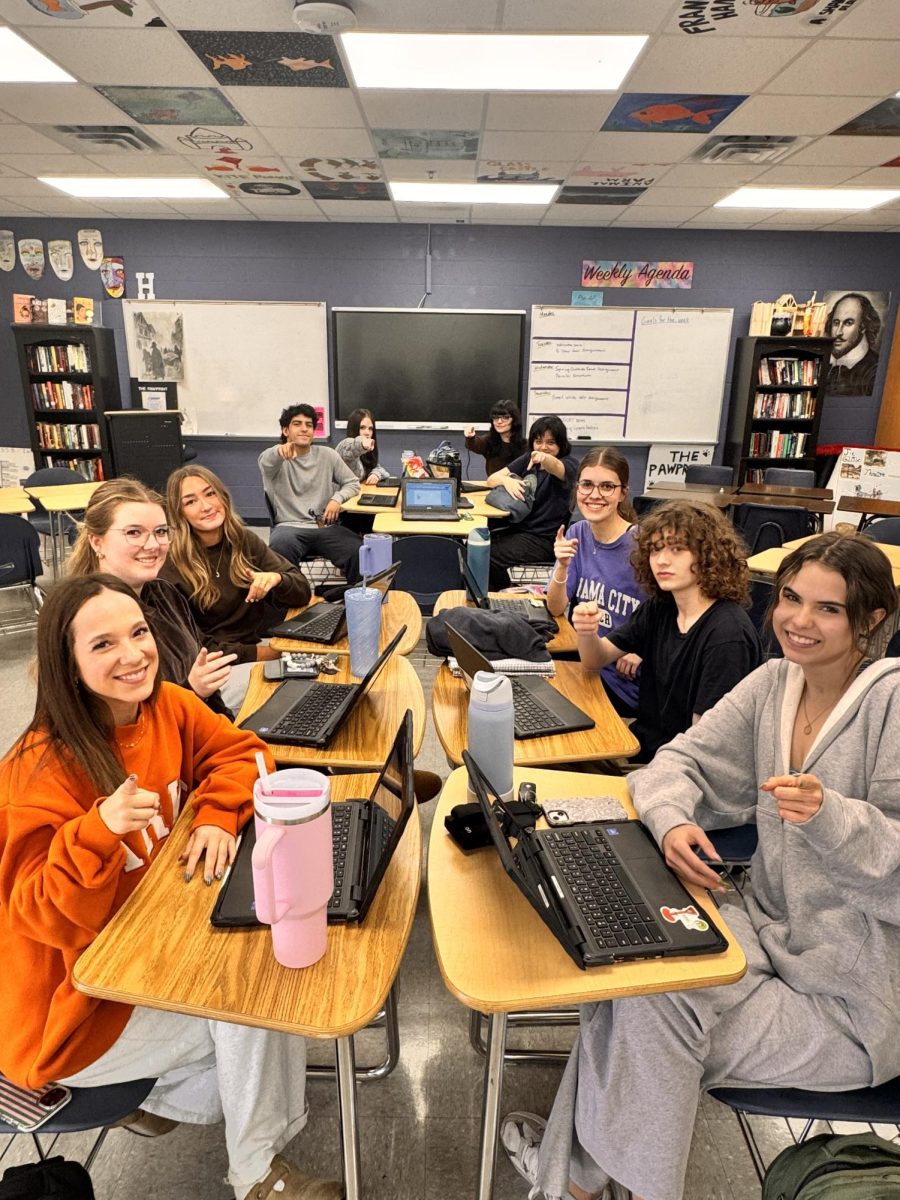
I was not allowed to sit in table groups like my peers. While my classmates sat in groups of four, I sat at an individual desk away from them. Sometimes it was near the teacher’s desk; sometimes it was just off in the corner where I wouldn’t interact with the other kids. My teachers called it my “island”.
Any time I got up and tried to speak with the other students, I was told the same thing.
“Sarah, go back to your island.”
Surprisingly, this did not shut me up. But something else did.
In middle school I realized that of the ‘disruptive’ students, very few of them were women. When girls spoke up, they were “annoying” while boys were “funny”.
So, for years I held my tongue. I avoided adding to conversations or making snarky comments the way the boys in class did. Because when I did it, no one laughed.
As a woman I was expected to be quiet and passive, and that made me resent my extroverted personality. I felt like I was too much, and that I needed to water myself down to fit culturally acceptable femininity.
However, being quiet has never been my nature. Trying to conform to this ‘role’ stifled me and made me miserable.
On the first day of high school, I promised myself that for the next four years I would be authentically and unapologetically myself.
I started in small ways: ordering food for shy friends, asking questions in class when others were afraid to, and being a sort of human icebreaker.
However, when I began volunteering at a clothing donation center, I noticed that many of those receiving clothes were Hispanic, and many spoke only Spanish.
So I chose to start speaking for those who could not.
I not only helped them with getting their donations, but I used my voice to assist them with other problems that stemmed from the language barrier. One mom asked me to help her enroll her children in school, and another with verifying her address and sending her utility bills to her children’s school.
And for the first time, it felt as though my lack of social anxiety had done something for the better.
I used to be told an island was the “fix” to my overly social personality, but I now know that my community has always been where I belonged and where my voice matters most.